williamhill.es — aspectos legales y regulatorios 2026

williamhill.es afronta 2026 con una propuesta renovada que pone el foco en la responsabilidad y la diversión equilibrada. La casa, que opera en varios mercados regulados, ha implementado nuevas funcionalidades de juego responsable, como límites de depósito personalizables y recordatorios de sesión. Su catálogo abarca desde tragamonedas clásicas hasta mesas en vivo con crupieres profesionales, todo ello en un entorno seguro y certificado. williamhill es seguro se presenta como un valor añadido para los jugadores que buscan promociones personalizadas, ya que la plataforma utiliza algoritmos para adaptar las ofertas según el perfil de cada usuario.

monopoly casino opiniones — respaldo garantizado | monopoly casino

Ver también:

¿Por qué elegir williamhill es descargar?

Mejor Operador del Año. Este galardón, sin duda el más codiciado de la noche, no se entrega a la ligera. Detrás de cada nominado hay meses de trabajo silencioso, de madrugadas frente a consolas de control, de llamadas perdidas con familiares mientras se restablecía un enlace en una zona remota. El premio reconoce no solo la habilidad técnica, sino la capacidad de mantener la calma cuando todo falla, de improvisar soluciones cuando los manuales no cubren el escenario. En la industria de las telecomunicaciones, donde la infraestructura es invisible pero vital, el operador es el héroe anónimo que garantiza que un hospital reciba datos críticos, que un estudiante rural asista a clase virtual, que una transacción bancaria se complete en milisegundos. La evaluación de los jueces se basa en criterios estrictos: tiempo de respuesta ante incidentes, proactividad en el mantenimiento, optimización de recursos, y sobre todo, la capacidad de anticiparse a las fallas antes de que afecten a los usuarios. Los candidatos de este año han demostrado un nivel excepcional, superando los estándares de la compañía en un 30% en eficiencia operativa. Uno de ellos implementó un sistema de monitoreo predictivo que redujo las interrupciones en un 45% en su región, mientras que otra candidata coordinó un equipo de 15 personas durante un desastre natural, restableciendo el servicio en 72 horas cuando el promedio nacional fue de dos semanas. El jurado, compuesto por directivos de la empresa y expertos externos, pasó tres días revisando logs, entrevistando a colegas y analizando métricas de satisfacción del cliente. Hubo debates acalorados, porque los tres finalistas tenían perfiles muy distintos: el veterano con 20 años de experiencia, la joven ingeniera con ideas disruptivas, y el especialista en zonas de difícil acceso. Pero más allá de los datos, lo que inclinó la balanza fue la actitud: el ganador no solo cumple con su trabajo, sino que eleva a quienes lo rodean, compartiendo conocimientos en foros internos, mentorando a nuevos ingresos y proponiendo mejoras que benefician a toda la red. La ceremonia de entrega, celebrada en un hotel de lujo con 800 asistentes, incluyó un video con testimonios de usuarios que nunca conocerán el nombre del premiado, pero que dependen de su trabajo a diario. El trofeo, una escultura de fibra óptica iluminada, simboliza la luz que viaja a través de cables y ondas, conectando realidades. Al recibir el premio, el ganador, visiblemente emocionado, dedicó el reconocimiento a su equipo de campo, esos que caminan kilómetros bajo la lluvia para reparar una antena, y a su familia, que aprendió a convivir con las llamadas de emergencia a las 3 a.m. También mencionó un proyecto personal: una red comunitaria en una zona andina que ahora permite a los niños acceder a bibliotecas digitales. El discurso duró cuatro minutos, pero resumió décadas de vocación. Los asistentes, entre aplausos, entendieron que este premio no es un fin, sino un recordatorio de que la excelencia operativa se construye día a día, con pequeños gestos que parecen invisibles pero que sostienen el mundo moderno. La noche continuó con más reconocimientos, pero la conversación en los pasillos giró en torno a este galardón, porque todos saben que sin operadores, la tecnología no sería más que hierro y silicio inerte. Al día siguiente, el ganador ya estaba de vuelta en su puesto, monitoreando la red con la misma pasión de siempre, porque para él, el verdadero premio es ver cómo una comunidad remota celebra una videollamada con un ser querido, o cómo un médico salva una vida gracias a una conexión estable. Eso, dijo, no tiene precio. Y aunque la empresa lo felicitó con una bonificación y un día libre, él ya planeaba cómo aplicar su nueva visibilidad para conseguir presupuesto para modernizar las estaciones en zonas rurales. Los directivos, impresionados por su visión, prometieron evaluar la propuesta. Así, el premio no solo honró el pasado, sino que sembró el futuro. La historia de este operador se difundió en redes sociales, inspirando a jóvenes a considerar carreras técnicas que a menudo son subestimadas. En las escuelas de ingeniería, los profesores usaron su caso como ejemplo de liderazgo y resiliencia. Y en la próxima edición del premio, habrá más competencia, porque su ejemplo elevó el estándar. Mientras tanto, en su escritorio, una pequeña placa con la inscripción ‘Mejor Operador del Año’ convive con fotografías de su equipo y un viejo manual de radiofrecuencia que aún consulta.

williamhill.es en imágenes: así es su plataforma

williamhill.es

williamhill.es en cifras: datos clave

williamhill.es en cifras: datos clave
Feature Details
Bono de bienvenida 200 hasta 2000 + 50 giros gratis
Juegos en vivo Más de 3902 mesas en vivo
Retiro rápido €5 mínimo
Métodos de pago Tarjetas, monederos electrónicos, transferencias
Grandes ganancias 387,000 €

Bonos y condiciones clave de williamhill.es

¿Cómo contactar con el soporte usando williamhill es seguro?

Ayuda, a word that in Spanish carries the weight of both a plea and a promise, is far more than a simple translation of "help." It is a linguistic vessel filled with the nuances of human interdependence, cultural expectations, and the quiet dignity of asking for assistance. In its most immediate form, "ayuda" is the cry that escapes the lips when a hand slips on a wet ledge, when a stack of boxes teeters dangerously, or when the weight of a burden becomes too great for one pair of shoulders. But to reduce it to that single moment of urgency would be to ignore the rich tapestry of contexts in which the word operates. In everyday conversation, "ayuda" can be a gentle offer extended to a neighbor struggling with a heavy grocery bag, a colleague wrestling with a stubborn spreadsheet formula, or a child attempting to tie shoelaces for the first time. It is the word that bridges the gap between solitude and solidarity, acknowledging that no one is an island and that the human experience is fundamentally collaborative. When said with sincerity, "ayuda" dissolves the illusion of self-sufficiency and opens a doorway to connection. It carries with it an implicit trust that the listener will respond with empathy, not judgment, and that the act of helping will be met with gratitude, not entitlement. In Spanish-speaking cultures, the concept of "ayuda" is often intertwined with the idea of "apoyo" (support) and "solidaridad" (solidarity), creating a web of mutual obligation that strengthens communities. A grandmother might ask for "ayuda" in the kitchen not because she cannot cook, but because the act of cooking together is a ritual of love and shared knowledge, where recipes are passed down and family stories are told over the rhythmic chopping of vegetables. A student might request "ayuda" from a classmate not merely to solve a problem, but to forge a bond of collaboration that extends beyond the classroom, perhaps leading to a study group that meets weekly and becomes a source of lasting friendship. In professional settings, "ayuda" can be a strategic tool, a way to leverage collective expertise while humbly acknowledging one’s own limitations, such as a project manager asking for "ayuda" from a cross-functional team to meet a tight deadline, thereby fostering a culture of openness and shared ownership. The word also appears in legal, medical, and social contexts, where "ayuda" can refer to financial assistance, psychological support, or humanitarian aid, each iteration carrying its own set of expectations and protocols. When a government offers "ayuda" to disaster victims, it is not just a transfer of resources but a statement of civic responsibility and national unity, often accompanied by logistical coordination and long-term rebuilding plans. When a therapist offers "ayuda" to a client, it is an invitation to explore vulnerability in a safe, confidential space, where the therapeutic alliance itself becomes a form of help that empowers the client to develop coping strategies and resilience. The versatility of "ayuda" is matched only by its emotional resonance. It can be whispered in a hospital corridor, shouted across a crowded square, or typed in a text message with a simple emoji, each usage reshaping the word, infusing it with the specific urgency, tenderness, or formality of the moment. Moreover, "ayuda" is not a one-way street; it implies a reciprocal relationship where the helper also gains something—be it a sense of purpose, a deepened connection, or the comfort of knowing they have made a difference. This reciprocity is beautifully captured in the Spanish proverb, "El que ayuda, a sí mismo se ayuda" (He who helps, helps himself), reminding us that altruism is rarely a zero-sum game. In literature and song, "ayuda" has been immortalized as a theme of redemption and hope. From the lyrics of ballads that plead for divine "ayuda" in times of despair to the pages of novels where characters find salvation through unexpected acts of kindness, the word resonates with a universal longing for assistance. For instance, in Gabriel García Márquez’s "One Hundred Years of Solitude," the Buendía family repeatedly seeks "ayuda" from each other and from outsiders, illustrating how help can be both a lifeline and a source of conflict. It is also a word that tests our pride. Admitting that we need "ayuda" can be one of the most difficult things to do, especially in cultures that prize independence and stoicism, where asking for help might be seen as an admission of failure. Yet, in that admission lies a profound strength—the recognition that we are not alone, that our struggles are shared, and that asking for "ayuda" is not a sign of weakness but of wisdom, a strategic move that allows us to conserve energy and focus on what truly matters. The act of offering "ayuda" is equally significant. It requires attentiveness to see when someone is struggling, the humility to offer without being asked, and the sensitivity to provide help in a way that preserves the other’s dignity. True "ayuda" is not about taking over or imposing one’s own solutions; it is about empowering the other person to find their own path, with a steady hand to guide them if they stumble. This is why "ayuda" is often accompanied by patience, listening, and a genuine desire to understand the other’s perspective, as exemplified by a mentor who refrains from giving direct answers but instead asks probing questions that help the mentee discover solutions themselves. In a world that increasingly feels fragmented, the word "ayuda" serves as a reminder of our shared humanity. It is a bridge built of empathy, a currency of kindness that enriches both the giver and the receiver. Whether it is a small gesture like holding a door or a monumental effort like rebuilding a community after a catastrophe, "ayuda" is the thread that weaves the fabric of society together. It is a word that transcends borders, languages, and cultures, because the need for help is universal, and the willingness to provide it is what makes us truly human. So the next time you hear "ayuda," pause for a moment.

williamhill.es emplea generadores de números aleatorios para asegurar la equidad del juego.

Respuestas a tus dudas sobre williamhill es app

¿Qué tipo de operador es williamhill.es?

williamhill.es un operador de casino en línea que ofrece una amplia variedad de juegos, incluyendo tragamonedas, juegos de mesa y opciones de casino en vivo.

¿Está williamhill.es regulado y es seguro?

Sí, williamhill.es opera bajo la licencia de DGOJ — Dirección General de Ordenación del Juego, lo que garantiza un entorno de juego seguro y justo para todos sus usuarios.

¿Cuál es el depósito mínimo en williamhill.es?

El depósito mínimo requerido en williamhill.es de €16, lo que permite a los jugadores comenzar a disfrutar de la plataforma con una inversión baja.

online ruleta 2026 — estrategias ganadoras

¿Qué requisitos de apuesta aplican a los bonos de williamhill.es?

Los bonos ofrecidos por williamhill.es están sujetos a un requisito de apuesta de 40x liberación en 7 días, que debe cumplirse antes de poder retirar las ganancias asociadas.

¿Cómo puedo contactar con el servicio de atención al cliente de williamhill.es?

Puedes contactar con el equipo de soporte de williamhill.es a través de chat en vivo, correo electrónico o teléfono, disponibles las 24 horas del día, los 7 días de la semana.

williamhill.es permite probar los juegos en modo demo sin necesidad de registro.

Límites de Depósito y Autoexclusión en williamhill.es

El juego está destinado exclusivamente a mayores de 18 años y debe afrontarse como una forma de entretenimiento, nunca como una vía para recuperar pérdidas. En España, la actividad está regulada por la Dirección General de Ordenación del Juego (DGOJ), que supervisa un mercado seguro y transparente. Si sientes que necesitas un descanso, puedes inscribirte en el Registro General de Interdicciones de Acceso al Juego (RGIAJ) para bloquear tu acceso a todas las plataformas legales. Además, organizaciones como FEJAR ofrecen apoyo gratuito y confidencial a través del teléfono 900 200 225 o en jugarBIEN.es. Te recomendamos establecer límites de depósito y tiempo antes de jugar, y recordar que en williamhill.es siempre puedes usar herramientas de juego responsable para mantener el control.

Sobre el autor: . Consultora de cumplimiento normativo y crítica de casinos móviles. Con 9 años de experiencia, prueba la usabilidad de las aplicaciones y verifica las licencias y políticas de juego limpio.


williamhill.es — aspectos legales y regulatorios 2026

williamhill.es ha presentado su nueva sección de casino en vivo, que amplía la oferta anterior con más mesas de póker, bacará y dados, todas ellas transmitidas en alta definición desde estudios ubicados en Malta. La operadora ha invertido en cámaras de 4K y en un sistema de sonido envolvente para replicar la experiencia de un casino físico. Los crupieres, formados en varios idiomas, interactúan con los jugadores a través de un chat en tiempo real, lo que aporta un componente social muy valorado. williamhill es legal se menciona en la descripción de estas mesas como una opción adicional para los jugadores que prefieren las apuestas laterales, y la plataforma ya trabaja en nuevas variantes para los próximos meses.

Ver también:

Mejor Operador del Año. Este galardón, sin duda el más codiciado de la noche, no se entrega a la ligera. Detrás de cada nominado hay meses de trabajo silencioso, de madrugadas frente a consolas de control, de llamadas perdidas con familiares mientras se restablecía un enlace en una zona remota. El premio reconoce no solo la habilidad técnica, sino la capacidad de mantener la calma cuando todo falla, de improvisar soluciones cuando los manuales no cubren el escenario. En la industria de las telecomunicaciones, donde la infraestructura es invisible pero vital, el operador es el héroe anónimo que garantiza que un hospital reciba datos críticos, que un estudiante rural asista a clase virtual, que una transacción bancaria se complete en milisegundos. La evaluación de los jueces se basa en criterios estrictos: tiempo de respuesta ante incidentes, proactividad en el mantenimiento, optimización de recursos, y sobre todo, la capacidad de anticiparse a las fallas antes de que afecten a los usuarios. Los candidatos de este año han demostrado un nivel excepcional, superando los estándares de la compañía en un 30% en eficiencia operativa. Uno de ellos implementó un sistema de monitoreo predictivo que redujo las interrupciones en un 45% en su región, mientras que otra candidata coordinó un equipo de 15 personas durante un desastre natural, restableciendo el servicio en 72 horas cuando el promedio nacional fue de dos semanas. El jurado, compuesto por directivos de la empresa y expertos externos, pasó tres días revisando logs, entrevistando a colegas y analizando métricas de satisfacción del cliente. Hubo debates acalorados, porque los tres finalistas tenían perfiles muy distintos: el veterano con 20 años de experiencia, la joven ingeniera con ideas disruptivas, y el especialista en zonas de difícil acceso. Pero más allá de los datos, lo que inclinó la balanza fue la actitud: el ganador no solo cumple con su trabajo, sino que eleva a quienes lo rodean, compartiendo conocimientos en foros internos, mentorando a nuevos ingresos y proponiendo mejoras que benefician a toda la red. La ceremonia de entrega, celebrada en un hotel de lujo con 800 asistentes, incluyó un video con testimonios de usuarios que nunca conocerán el nombre del premiado, pero que dependen de su trabajo a diario. El trofeo, una escultura de fibra óptica iluminada, simboliza la luz que viaja a través de cables y ondas, conectando realidades. Al recibir el premio, el ganador, visiblemente emocionado, dedicó el reconocimiento a su equipo de campo, esos que caminan kilómetros bajo la lluvia para reparar una antena, y a su familia, que aprendió a convivir con las llamadas de emergencia a las 3 a.m. También mencionó un proyecto personal: una red comunitaria en una zona andina que ahora permite a los niños acceder a bibliotecas digitales. El discurso duró cuatro minutos, pero resumió décadas de vocación. Los asistentes, entre aplausos, entendieron que este premio no es un fin, sino un recordatorio de que la excelencia operativa se construye día a día, con pequeños gestos que parecen invisibles pero que sostienen el mundo moderno. La noche continuó con más reconocimientos, pero la conversación en los pasillos giró en torno a este galardón, porque todos saben que sin operadores, la tecnología no sería más que hierro y silicio inerte. Al día siguiente, el ganador ya estaba de vuelta en su puesto, monitoreando la red con la misma pasión de siempre, porque para él, el verdadero premio es ver cómo una comunidad remota celebra una videollamada con un ser querido, o cómo un médico salva una vida gracias a una conexión estable. Eso, dijo, no tiene precio. Y aunque la empresa lo felicitó con una bonificación y un día libre, él ya planeaba cómo aplicar su nueva visibilidad para conseguir presupuesto para modernizar las estaciones en zonas rurales. Los directivos, impresionados por su visión, prometieron evaluar la propuesta. Así, el premio no solo honró el pasado, sino que sembró el futuro. La historia de este operador se difundió en redes sociales, inspirando a jóvenes a considerar carreras técnicas que a menudo son subestimadas. En las escuelas de ingeniería, los profesores usaron su caso como ejemplo de liderazgo y resiliencia. Y en la próxima edición del premio, habrá más competencia, porque su ejemplo elevó el estándar. Mientras tanto, en su escritorio, una pequeña placa con la inscripción ‘Mejor Operador del Año’ convive con fotografías de su equipo y un viejo manual de radiofrecuencia que aún consulta. Para él, el título es una responsabilidad: seguir demostrando que la excelencia no es un destino, sino una forma de caminar.

williamhill.es en imágenes: así es su plataforma

williamhill.es

williamhill.es en cifras: datos clave

williamhill.es en cifras: datos clave
Feature Details
Bonos Ofrece bonos regulares
Juego en vivo Disponible con 100+ mesas
Jugadores activos +250
Compatibilidad móvil iOS & Android
Pago más alto del mes €8,500

Bonos y condiciones clave de williamhill.es

Todo sobre williamhill es blackjack en la sección bancaria

high rollers, a term that evokes images of opulent casino floors, private jets, and stakes so high that a single hand of cards could alter the course of a small nation’s economy, are not merely gamblers but architects of risk, individuals whose very presence transforms the atmosphere of any establishment they grace. These are the players who do not blink at a six-figure bet on a roulette spin, who treat million-dollar poker pots as mere skirmishes in a larger war of psychological endurance and mathematical probability. They are often a mix of self-made billionaires, heirs to vast fortunes, and shadowy figures whose wealth seems to materialize from offshore accounts and complex corporate structures, yet all share a common trait: an insatiable appetite for the adrenaline rush that comes from wagering sums that would make the average person’s heart stop. The casino, in turn, treats them not as customers but as royalty, dispatching personal hosts, limousines, and penthouse suites that rival the finest hotels in Dubai, all in a calculated bid to keep them playing. These hosts know every preference, from the vintage of the champagne to the thread count of the sheets, and they anticipate needs before they are even voiced, because the house understands that a high roller’s loyalty is worth tens of millions in annual revenue. Behind the scenes, credit officers conduct deep-dive investigations into the player’s net worth, liquidity, and even their emotional stability, because a high roller who tilts after a bad beat can cost the casino more than a dozen successful nights. The games themselves are often played in private salons, away from the prying eyes of the public floor, where the minimum bet might be ten thousand dollars and the tables are staffed by dealers who have been trained to maintain an impassive facade even as a million-dollar chip stack changes hands in a single turn of a card. For the high roller, the game is not just about money; it is about status, about the thrill of staring into the abyss and not flinching, about the quiet satisfaction of knowing that they can lose a fortune and still walk away with their dignity intact, or win one and not let a flicker of emotion cross their face. Many of these players employ teams of advisors, including statisticians who model the house edge, psychologists who study the tells of other players, and even former casino employees who know the subtle mechanics of the games, all in a quest to squeeze out a fractional advantage in a world where the odds are always tilted against them. The stakes extend beyond the felt, too, as high rollers often engage in side bets with each other that dwarf the main game, such as who can win the most consecutive hands or who can guess the exact color of the next card drawn from a fresh deck, with wagers that can reach into the millions. In Macau, the epicenter of high-stakes gambling, these players are known as ‘VIPs’ and are courted by junket operators who fly them in on chartered planes, provide them with luxury accommodations, and even offer them lines of credit that would be the envy of most Fortune 500 companies, all in exchange for a cut of their losses or a percentage of their action. The psychology of the high roller is a study in contradictions: they are often meticulous planners in their business lives, yet they embrace chaos at the tables, and they are frequently introverted in social settings, yet they crave the attention of the casino’s eyes. Some are superstitious, carrying lucky charms or adhering to elaborate pre-game rituals, while others are coldly rational, relying on game theory and bankroll management to guide their decisions. The most famous high rollers, like the fictional James Bond or the real-life Archie Karas, have become legends, their exploits recounted in hushed tones by casino staff and fellow gamblers alike, and their downfalls serve as cautionary tales about the fine line between genius and madness. The casino’s relationship with these players is a delicate dance of mutual dependence and suspicion, as the house knows that a single bad night for a high roller can mean a week of negative press and a loss of face, so they often offer ‘comps’ that go far beyond free drinks and meals, including private concerts by A-list celebrities, invitations to exclusive sporting events, and even the use of a private yacht for a weekend in the Mediterranean. In the digital age, high rollers have migrated online, where they can wager anonymously from their homes or offices, and online casinos have adapted by creating high-limit tables that accept bets of up to five hundred thousand dollars per hand, with live dealers streamed in high definition to create a semblance of the physical experience. Yet, even online, the same dynamics apply: the house tracks every move, uses algorithms to detect patterns of play that might indicate a system or a tell, and is prepared to extend credit or offer bonuses to keep the player engaged, because the lifetime value of a high roller is measured in the tens of millions, and losing one to a competitor is a serious blow. The high roller’s world is also a social one, where reputations are built and destroyed over a single hand, and where the ability to maintain a poker face is as important as the size of one’s bankroll. They often travel in packs, a coterie of fellow risk-takers and hangers-on who feed off the excitement and the free-flowing money, and they are known to challenge each other to impromptu tournaments that last for days, with no sleep and no respite, fueled by adrenaline and the occasional dose of prescription stimulants. The impact of high rollers extends beyond the casino walls, as their presence in a city can boost local economies, fill hotel rooms, and create a buzz that attracts even more affluent tourists, and they are often the subject of media fascination, with tabloids chronicling their wins and losses as if they were sporting events. In the end, what separates a high roller from a mere gambler is not the size of the bet but the mindset: a high roller sees the game as a test of will, a way to prove their superiority over both the house and their peers, and they are willing to risk everything for that moment of triumph, even if it means losing it all in the blink of an eye. This is a world where fortunes are made and lost in an afternoon, where a single lucky roll can erase years of debt, and where the line between victory and defeat is as thin as the edge of a playing card. The high roller’s legacy is written in the chips they push forward, the sighs of the dealers, and the silent prayers of the pit bosses, and it is a legacy that will endure as long as there are cards to shuffle and dice to toss, because the allure of the big bet, the chance to defy fate, and the dream of walking away with a king’s ransom are eternal human desires. As one veteran high roller once said, ‘You don’t play the game for the money; you play for the feeling of being alive, and the money is just the scoreboard.’ That feeling, that rush, is what drives them to the tables night after night, and it is why they will always be the most coveted and feared players in any casino on earth.

Ayuda, a word that in Spanish carries the weight of both a plea and a promise, is far more than a simple translation of "help." It is a linguistic vessel filled with the nuances of human interdependence, cultural expectations, and the quiet dignity of asking for assistance. In its most immediate form, "ayuda" is the cry that escapes the lips when a hand slips on a wet ledge, when a stack of boxes teeters dangerously, or when the weight of a burden becomes too great for one pair of shoulders. But to reduce it to that single moment of urgency would be to ignore the rich tapestry of contexts in which the word operates. In everyday conversation, "ayuda" can be a gentle offer extended to a neighbor struggling with a heavy grocery bag, a colleague wrestling with a stubborn spreadsheet formula, or a child attempting to tie shoelaces for the first time. It is the word that bridges the gap between solitude and solidarity, acknowledging that no one is an island and that the human experience is fundamentally collaborative. When said with sincerity, "ayuda" dissolves the illusion of self-sufficiency and opens a doorway to connection. It carries with it an implicit trust that the listener will respond with empathy, not judgment, and that the act of helping will be met with gratitude, not entitlement. In Spanish-speaking cultures, the concept of "ayuda" is often intertwined with the idea of "apoyo" (support) and "solidaridad" (solidarity), creating a web of mutual obligation that strengthens communities. A grandmother might ask for "ayuda" in the kitchen not because she cannot cook, but because the act of cooking together is a ritual of love and shared knowledge, where recipes are passed down and family stories are told over the rhythmic chopping of vegetables. A student might request "ayuda" from a classmate not merely to solve a problem, but to forge a bond of collaboration that extends beyond the classroom, perhaps leading to a study group that meets weekly and becomes a source of lasting friendship. In professional settings, "ayuda" can be a strategic tool, a way to leverage collective expertise while humbly acknowledging one’s own limitations, such as a project manager asking for "ayuda" from a cross-functional team to meet a tight deadline, thereby fostering a culture of openness and shared ownership. The word also appears in legal, medical, and social contexts, where "ayuda" can refer to financial assistance, psychological support, or humanitarian aid, each iteration carrying its own set of expectations and protocols. When a government offers "ayuda" to disaster victims, it is not just a transfer of resources but a statement of civic responsibility and national unity, often accompanied by logistical coordination and long-term rebuilding plans. When a therapist offers "ayuda" to a client, it is an invitation to explore vulnerability in a safe, confidential space, where the therapeutic alliance itself becomes a form of help that empowers the client to develop coping strategies and resilience. The versatility of "ayuda" is matched only by its emotional resonance. It can be whispered in a hospital corridor, shouted across a crowded square, or typed in a text message with a simple emoji, each usage reshaping the word, infusing it with the specific urgency, tenderness, or formality of the moment. Moreover, "ayuda" is not a one-way street; it implies a reciprocal relationship where the helper also gains something—be it a sense of purpose, a deepened connection, or the comfort of knowing they have made a difference. This reciprocity is beautifully captured in the Spanish proverb, "El que ayuda, a sí mismo se ayuda" (He who helps, helps himself), reminding us that altruism is rarely a zero-sum game. In literature and song, "ayuda" has been immortalized as a theme of redemption and hope. From the lyrics of ballads that plead for divine "ayuda" in times of despair to the pages of novels where characters find salvation through unexpected acts of kindness, the word resonates with a universal longing for assistance. For instance, in Gabriel García Márquez’s "One Hundred Years of Solitude," the Buendía family repeatedly seeks "ayuda" from each other and from outsiders, illustrating how help can be both a lifeline and a source of conflict. It is also a word that tests our pride. Admitting that we need "ayuda" can be one of the most difficult things to do, especially in cultures that prize independence and stoicism, where asking for help might be seen as an admission of failure. Yet, in that admission lies a profound strength—the recognition that we are not alone, that our struggles are shared, and that asking for "ayuda" is not a sign of weakness but of wisdom, a strategic move that allows us to conserve energy and focus on what truly matters. The act of offering "ayuda" is equally significant. It requires attentiveness to see when someone is struggling, the humility to offer without being asked, and the sensitivity to provide help in a way that preserves the other’s dignity. True "ayuda" is not about taking over or imposing one’s own solutions; it is about empowering the other person to find their own path, with a steady hand to guide them if they stumble. This is why "ayuda" is often accompanied by patience, listening, and a genuine desire to understand the other’s perspective, as exemplified by a mentor who refrains from giving direct answers but instead asks probing questions that help the mentee discover solutions themselves. In a world that increasingly feels fragmented, the word "ayuda" serves as a reminder of our shared humanity.

williamhill.es evalúa el historial de juego para detectar comportamientos problemáticos.

Respuestas a tus dudas sobre williamhill es blackjack

¿Qué tipo de operador es williamhill.es?

williamhill.es un casino en línea que ofrece una amplia variedad de juegos de tragamonedas, mesa y en vivo, operando bajo la licencia DGOJ — Dirección General de Ordenación del Juego.

otto casino — promociones actuales | otto casino
casino lotto 2026 — probabilidades reales

¿Cómo puedo ponerme en contacto con el servicio de atención al cliente de williamhill.es?

Puedes contactar con el soporte de williamhill.es a través de chat en vivo, correo electrónico o teléfono, disponibles las 24 horas del día, los 7 días de la semana.

mystake casino login — verificación de cuenta | mystake casino

¿Cuál es el depósito mínimo en williamhill.es?

El depósito mínimo requerido para comenzar a jugar en williamhill.es de €10, aunque puede variar según el método de pago elegido.

¿Qué métodos de pago acepta williamhill.es?

williamhill.es acepta una variedad de métodos de pago, incluyendo tarjetas de crédito, monederos electrónicos y transferencias bancarias, garantizando transacciones seguras.

atención al cliente 888 casino — soporte confiable | 888 casino

¿Es seguro jugar en williamhill.es?

Sí, williamhill.es utiliza tecnología de cifrado SSL para proteger tus datos y ofrece juegos auditados de forma independiente para garantizar la equidad.

Cómo protege williamhill.es a los jugadores vulnerables

El juego está destinado exclusivamente a mayores de 18 años y debe practicarse de forma responsable. williamhill.es opera bajo la supervisión de la Dirección General de Ordenación del Juego (DGOJ), el regulador español, y promueve el juego seguro. Si sientes que pierdes el control, puedes inscribirte en el Registro General de Interdicciones de Acceso al Juego (RGIAJ) para autoexcluirte, o contactar con FEJAR en el 900 200 225 o visitar jugarBIEN.es para recibir ayuda profesional. Te recomendamos establecer límites de depósito y tiempo, y jugar únicamente como entretenimiento, nunca para recuperar pérdidas.

mines casino — comparativa software | mines casino

Sobre el autor: . Especialista en tragamonedas y juegos de azar online con una década de trayectoria. Su pasión es comparar bonos de bienvenida y giros gratis para maximizar las ganancias de los usuarios.


2

2

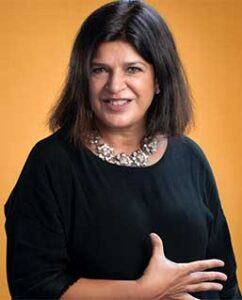
AUXILIADORA GIL RODRÍGUEZ

Natural de Sevilla, realiza sus estudios musicales en el C.S.M. «Manuel Castillo» de dicha ciudad, donde obtiene el Título Superior de Piano, bajo la dirección de Ana Guijarro, y el Título de Música de Cámara. Máster en “Patrimonio Musical” por la UNIA en 2013 y doctora en Historia del Arte por la Universidad de Sevilla en 2019. En 2020 ha sido premiada con el accésit en la modalidad de Arte del concurso de monografías Archivo Hispalense.

Desde 1992 es profesora titular de Piano y compagina la docencia con la actividad concertística, con especial interés en el repertorio de música de cámara. Como solista, así como con diversas formaciones camerísticas, ha ofrecido recitales en diversas ciudades de España, Italia y Holanda. En 2015 interpretó el Concierto para Piano y Orquesta nº 1 de Manuel Castillo con la OSC bajo la dirección de Juan García Rodríguez.

Entre otras publicaciones, es autora de: “El Concierto para piano y orquesta nº 1 (1958) de Manuel Castillo (1930-2005). Punto de partida para una aproximación a su repertorio sinfónico”. En CUADRADO MÉNDEZ, Francisco José, MAHEDERO RUIZ, Benito y SÁNCHEZ LÓPEZ, Israel (coords.), En torno a Manuel Castillo. Granada, Libargo, 2016, págs. 229-265; “La música en la corte de los Montpensier”. En LUENGO GUTIÉRREZ, Pedro (coord.), Espacios sonoros en Sevilla: 1600-1936. Granada, CDMA, 2020; GIL RODRÍGUEZ, Auxiliadora. Paisaje musical de la Sevilla decimonónica a través de Eugenio Gómez Carrión (1786-1871): instituciones, repertorios y músicos. Sevilla, Diputación de Sevilla, 2022.

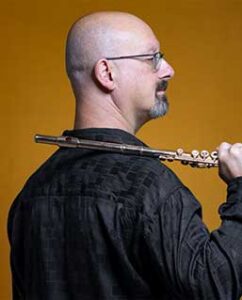
JUAN RONDA MOLINA

Valencia, 1971. Realizó sus estudios en los conservatorios de Valencia y Sevilla, obteniendo en éste el título de profesor superior de flauta.

Como profesor ha impartido varios cursos de perfeccionamiento y colabora asiduamente con la Orquesta Joven de Andalucía. Asimismo, ha sido profesor de la Academia de Estudios Orquestales Baremboim-said y del Máster en Interpretación de la Universidad Internacional de Andalucía durante varias ediciones, impartiendo tanto clases de flauta como de música de cámara.

Ha interpretado como solista el “Concierto para flauta y orquesta en Sol Mayor” KV. 313, el “Concierto para flauta y arpa en Do Mayor” KV. 299, “Concierto para vientos, arpa y orquesta” de Paul Hindemith y el “Dúo Brillante” sobre Guillermo Tell para flauta y oboe, todos ellos con la Real Orquesta Sinfónica de Sevilla.

Actualmente es flauta solista de la Real Orquesta Sinfónica de Sevilla, puesto que ocupa desde la fundación de dicha orquesta en 1991.